Our Products
Compressed Air Solutions
  • Screw Air Compressor
  • Oil Free Compressor
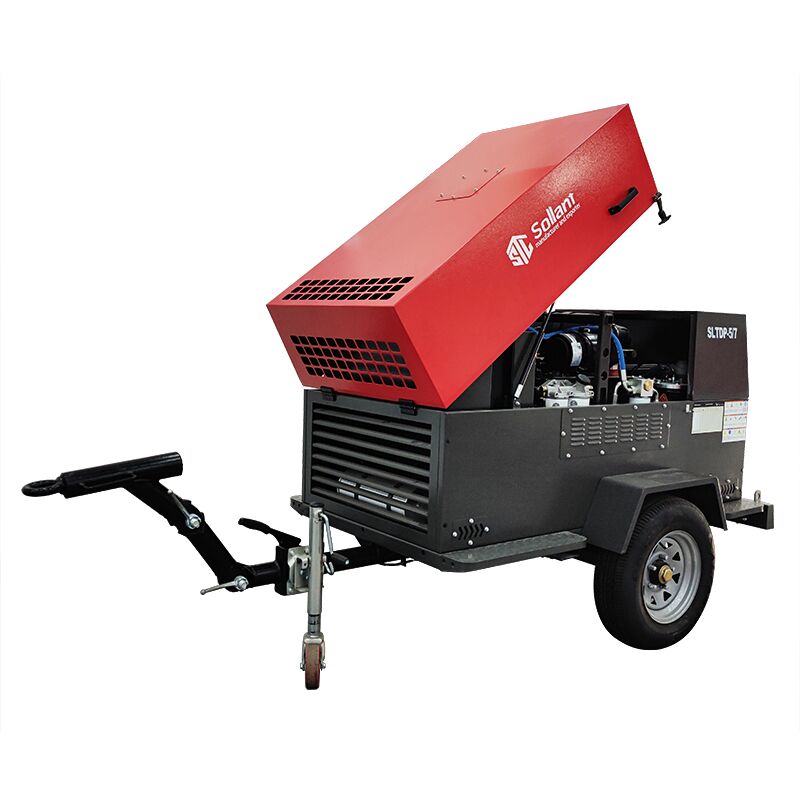
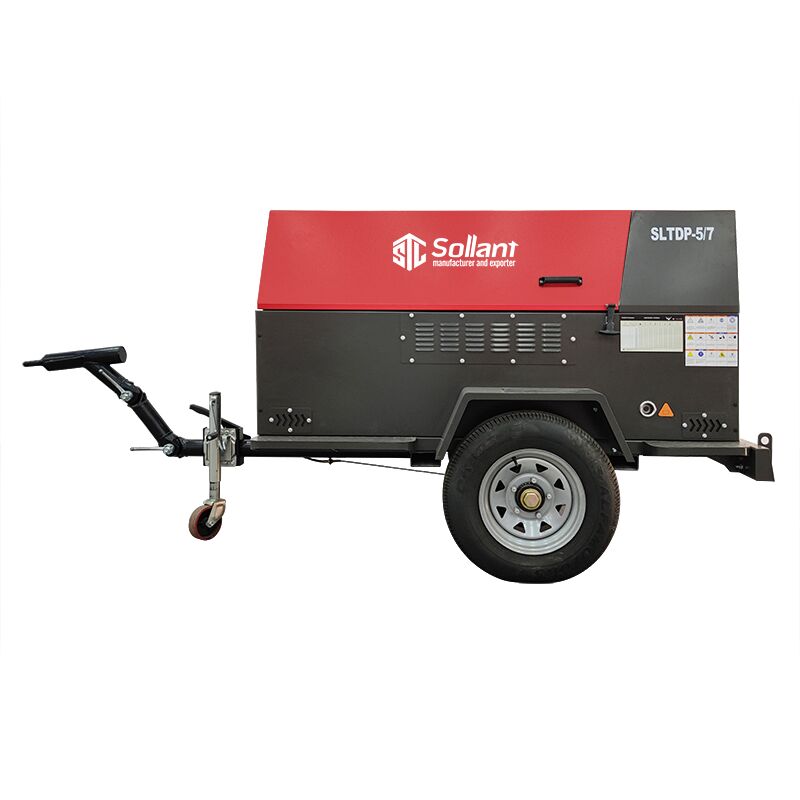
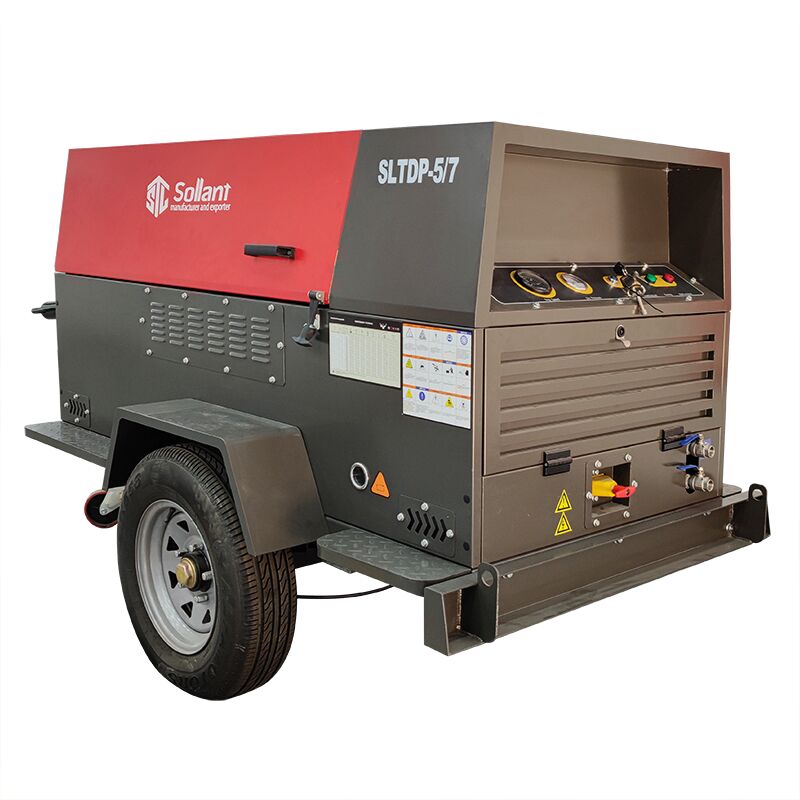
  • Diesel Portable Compressor
  • Gas Compressor
  • Specialty Compressor
  • Air Treatment
ISO 9001 Certified
24-Month Warranty
OEM & ODM Support
Factory Direct Price
All products→
Shipping and Logistics for Industrial Air Compressors Including FOB CIF and Customs
Trade & Logistics

Shipping and Logistics for Industrial Air Compressors Including FOB CIF and Customs

Trade Article
22 min read
Global Trade
FileSL-LOGISTICS
SubjectCompressor Export
RegionAsia → Worldwide
StatusReference

The compressor industry has a packing problem.

Everything else that follows in this article, FOB, CIF, HS codes, conformity certs, container sweat, lashing, D&D, all of it matters, some of it matters a lot, and none of it matters as much as packing. Packing is the center of compressor logistics. The rest orbits around it.

§ 01 / Packing
Packing

"Export packed" on a purchase order. No ISO definition. No ASTM definition. No ISTA protocol adopted by the industry. The phrase appears on every compressor PO in the world and communicates nothing about materials, methods, or corrosion protection. Every factory interprets it in whatever way costs them the least.

Atlas Copco packs from Wuxi to an internal spec referencing MIL-PRF-22019 for VCI film. Steel base frames. Desiccant blankets. ShockWatch 2 indicators. The other large OEMs have comparable standards. The mid-tier and smaller Chinese factories across Jiangsu, Zhejiang, and Guangdong, building compressors in the 7.5 to 160 kW range for export, pack in pine and stretch film. The PO said "export packed" and nobody elaborated.

A packing spec appendix in the PO changes the dynamic entirely. One page. Skid material and ISPM-15 HT compliance. Through-bolts with steel backing plates under the skid deck. VCI barrier film to MIL-PRF-22019 or equivalent. Desiccant. ShockWatch 2 at 25g for units over 1,000 kg, TiltWatch Plus on two faces. The appendix takes an afternoon to draft and gets reused on every subsequent PO forever.

The proportion of compressor POs that include one is very small. No published data on the number.

§ 02 / Hardware
Why Through-Bolts

Lag screws into softwood pull out. Container shunting in rail yards, crane cycles at transshipment ports, heavy weather on a North Pacific winter crossing. The lateral loads are enough. An 1,800 kg compressor separating from its skid inside a container causes structural damage. Bent condensers on units with top-mounted aftercoolers. Sheared flex connections on integrated compressor-dryer packages. Sometimes cracked airend castings. The warranty claim gets filed. The factory asks for the ShockWatch photo. There was no ShockWatch.

§ 03 / Corrosion
VCI Film

Stretch wrap keeps dust off. VCI film sublimes at ambient temperature and coats every enclosed metal surface, including surfaces inside the motor terminal box and behind the VFD panel. The Chinese VCI films have gotten good enough that specifying the MIL spec without naming a Western brand is adequate.

The VFD scenario. Compressor ships, arrives, looks fine, gets installed, runs for weeks. Drive faults. Field service: moisture on the PCB, trace corrosion, intermittent progressed to hard fault. Was it transit? Manufacturing defect? Installation environment? Nobody can tell. If there was a ShockWatch indicator photographed at delivery showing green, the transit shock theory weakens but the moisture theory stays open. If there was no indicator and nobody photographed anything and the packing went into a skip on delivery day, there is nothing to go on. The argument about who pays for the replacement drive continues until someone gets tired.

§ 04 / Compliance
ISPM-15

Heat treatment of solid wood to 56°C core for 30 minutes, IPPC stamp, code HT. Methyl bromide banned for packaging in the EU and Canada, heading toward broader prohibition. Enforcement aggressive at Australian ports under DAFF, moderate in the EU and US, minimal across much of Africa and South Asia.

Fake stamps. The mark is a rubber stamp. Registration numbers on fakes sometimes reference real facilities that did not treat the batch. No field authentication at destination. The kiln certificate in the document set is the available precaution.

§ 05 / Incoterms
FOB

FOB out of Asia. Standard for compressor trade. Has been for twenty years.

The buyer's forwarder has direct access to the carrier's booking system. During peak season, carriers overbook and bump containers to the next sailing. Spot-booked non-perishable cargo without contractual penalties goes first. Compressor containers are near the top of every carrier's "safe to roll" list. Under FOB the forwarder sees the roll and rebooks same-day.

Under CIF, rolling information has to travel through the seller's logistics team, and that team is managing dozens of outbound shipments. Whether the information reaches the buyer promptly, or reaches the buyer at all, depends on the individual coordinator and how many other fires they are dealing with that week.

§ 06 / Insurance
CIF and the Insurance Gap

CIF applies in L/C transactions where the issuing bank requires a CIF commercial invoice. Outside that, CIF costs more through embedded freight markup and insures less.

Incoterms 2020 Rule A5, CIF: seller procures coverage at ICC(C) minimum. ICC(C) Clause 1 of the IUA form covers catastrophic perils. Fire, sinking, grounding, collision, jettison, general average. The full list. Condensation damage is excluded. Handling damage at transshipment is excluded.

Think about what this means when combined with the packing situation described above. A compressor leaves a factory in stretch film. Ships CIF. Insured ICC(C). The container sweats over a month. Moisture reaches the electrical enclosure. The compressor arrives, gets installed, the VFD faults weeks later. The buyer files an insurance claim. Denied. Condensation is not a named peril. The buyer then finds out the policy was purchased by the seller, that no direct buyer-insurer relationship exists, and that getting the seller to cooperate on documentation is an uphill effort with a seller who has already been paid.

ICC(A) covers condensation. The premium gap on a single shipment is small. Sellers provide ICC(C) because Incoterms permits it.

The packing spec and the insurance clause are both determined at the PO stage. Both are in the buyer's control. Both are absent from the majority of compressor transactions.

§ 07 / Tariffs
Section 301

Before May 2019, HS subheading accuracy under 8414.80 was a compliance matter. MFN rates under the US HTS range from zero to 2.5%. Section 301 List 3 added 25% on Chinese-origin goods. On a $55,000 compressor the 301 duty exceeds $13,000.

Country of origin for Chinese-assembled compressors with imported major components goes through substantial transformation analysis under 19 CFR Part 134. CBP generally treats final assembly as the transformative step.

HS 8414.80

System under one heading — single classification.

HS 8419 / 8421

Dryer and filters split out separately by function.

HS 7311

Receiver tank classified independently as steel vessel.

System-versus-component classification. Ship everything as one package under 8414.80, or split: dryer under 8419, filters under 8421, receiver under 7311. Whether splitting helps or hurts depends on destination country rates. No shortcut through the analysis.

Reference pricing databases at customs in several importing countries flag entries below historical values. Databases lag. Appeals take over a year.

§ 08 / Closing
Conformity, Container, Everything Else

CE marking for the EU under 2006/42/EC and PED 2014/68/EU. PED Category III for a 500L receiver at 11 bar, Notified Body required. ASME Section VIII Div 1 for US. SASO through SALEEM for Saudi. EAC for Russia. Chinese factories running parallel PED-spec and domestic-spec tank production occasionally put the wrong tank in an EU-bound compressor. The tanks look identical. Missing certs at destination mean bonded storage and D&D.

Container rain. Sealed container, high humidity at loading, condensation drips from the ceiling when temperature drops in transit. Prior hygroscopic cargo in the container makes the floorboards wet and worsens it. Some shippers specify first-trip containers. VCI film handles the corrosion risk. This connects straight back to the packing spec.

Polyester ratchet straps creep in hot containers over weeks. Wire rope or chain holds preload better. Specify the method in the PO. Require photos before door closure.

ShockWatch and TiltWatch. Photograph at delivery before opening the packaging. Evidence gone once discarded.

Site delivery. Forklift capacity, door widths, foundation readiness. An hour-long site survey before shipping prevents delivery-day crises.

D&D when customs clearance exceeds free time.

Commissioning crew idle time from logistics delays goes into project overhead. Different budget, different owner from the logistics function.

Doc · SL-LOGISTICS
End of File
Footer Component - SOLLANT
滚动至顶部